
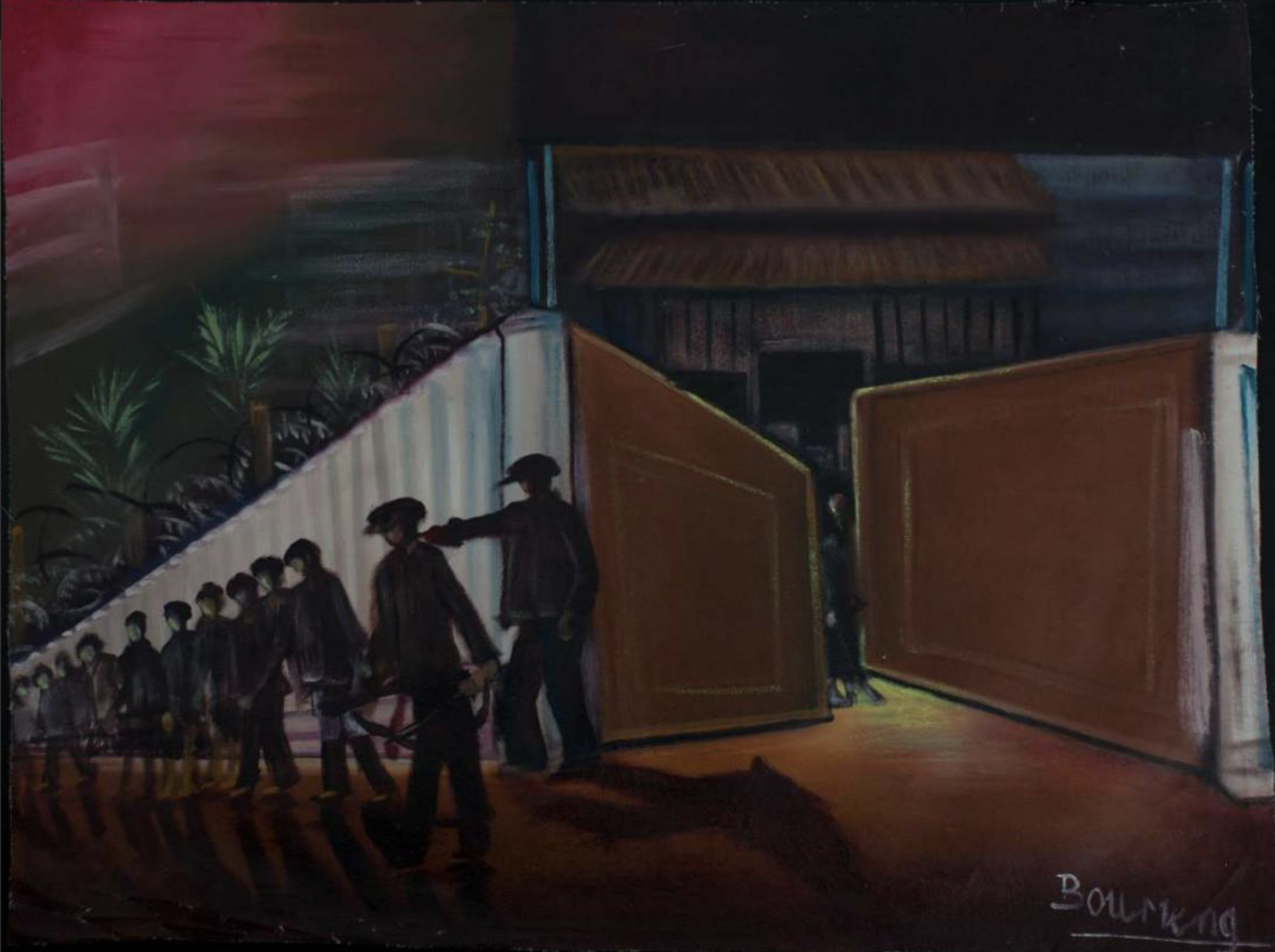
What Was the Khmer Rouge?
A radical communist movement that led to a bloody and violent genocide.
Khmer Rouge: 1975-1979
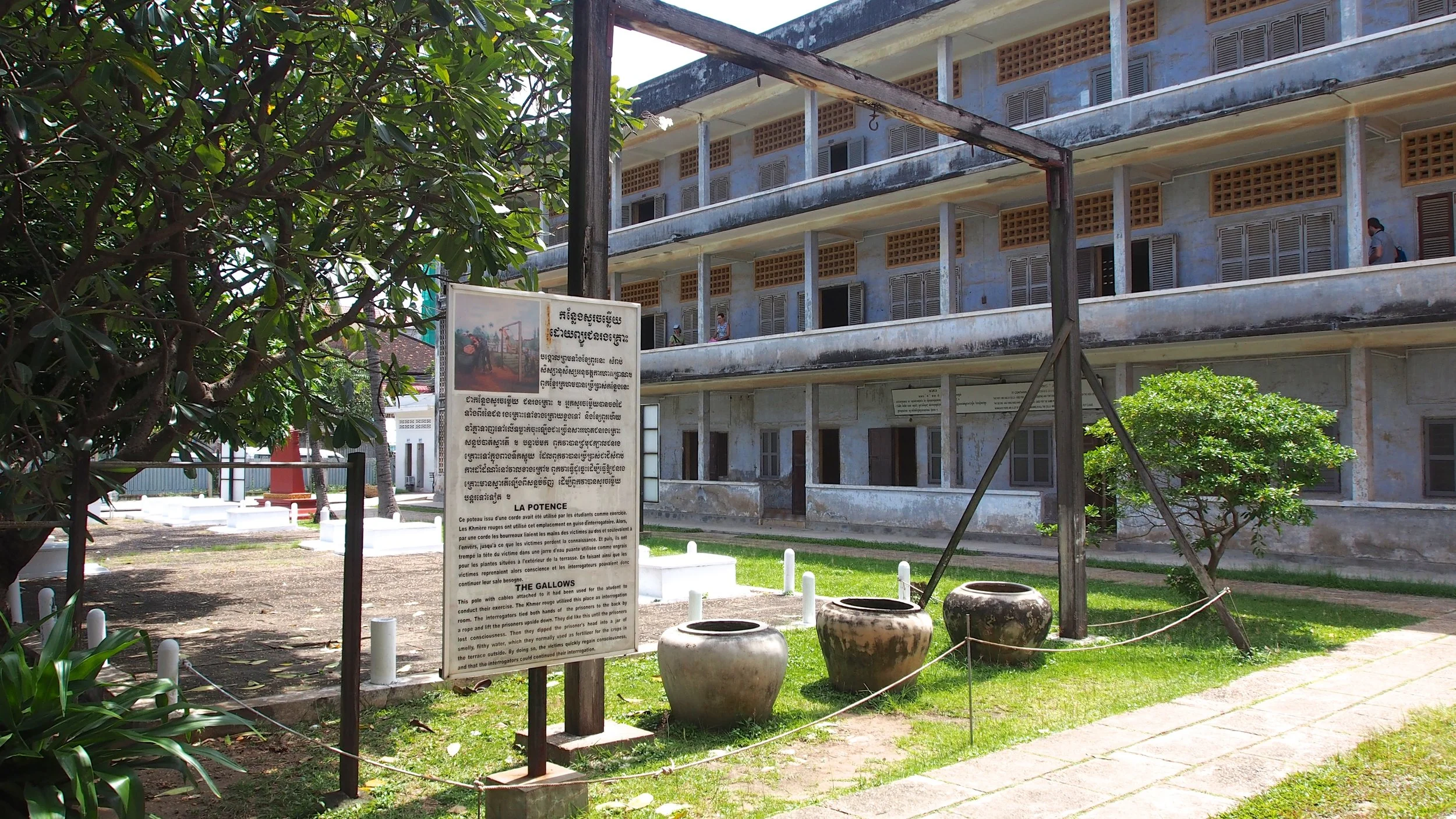
Tuol Sleng Genocide Museum in Phnom Penh.
Clay Gilliland 2014
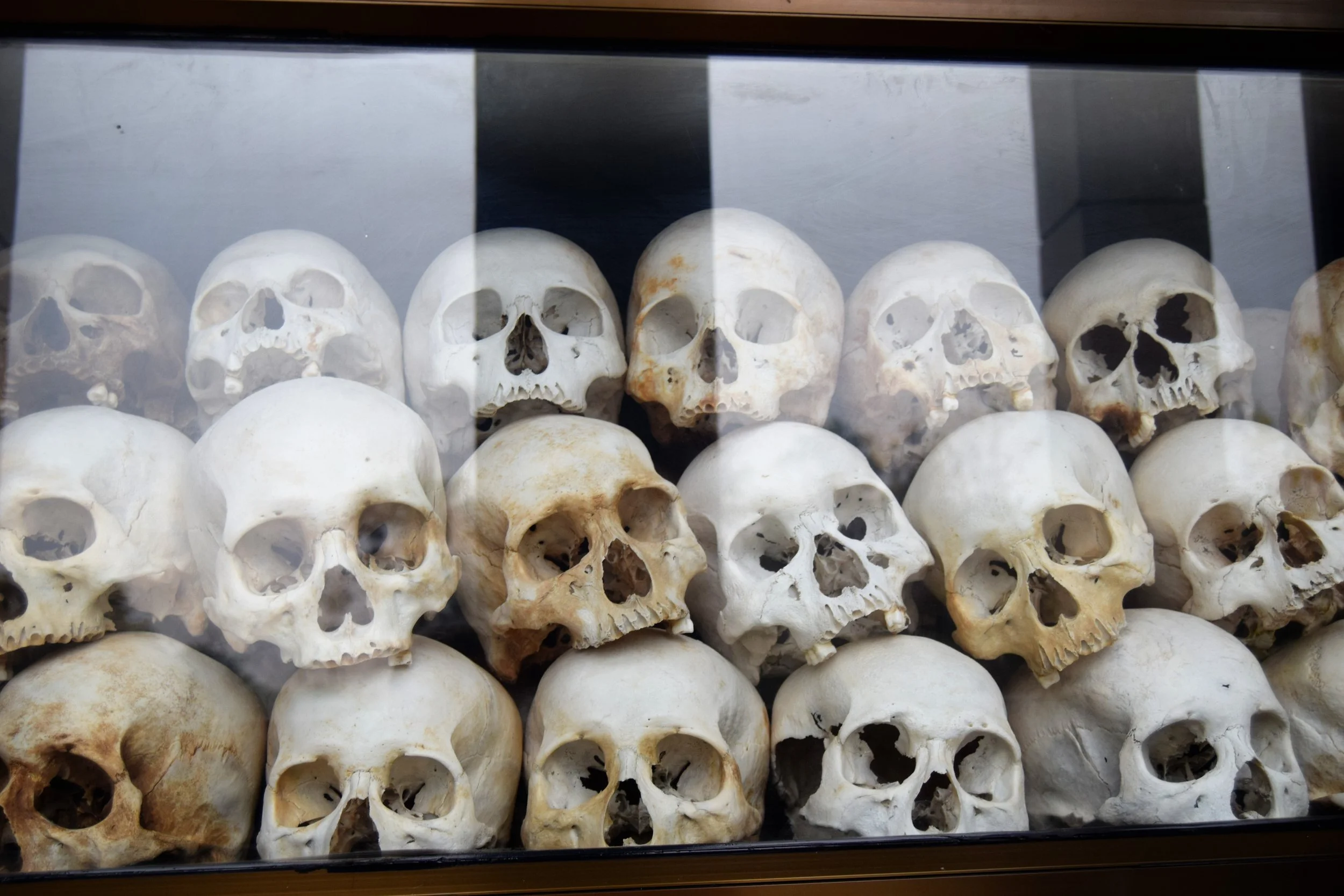
Cambodia. Phnom Penh. Choeung Ek Genocidal Centre.
The inside of the shrine showing skulls and other bone remains.
If you are looking for a raw unfiltered testimony of the Khmer Rouge, you have come to the right place.
The Khmer Rouge, or Cambodian Genocide, was a communist guerrilla movement from 1975-1979. The word "Khmer" means Cambodian and the word "Rouge" means red. Together, this meant the Cambodian Red Party.
Initially, the party started in remote areas of the country, drawing very little attention from the public. But as political turmoil grew, so did the members of the Khmer Rouge party.
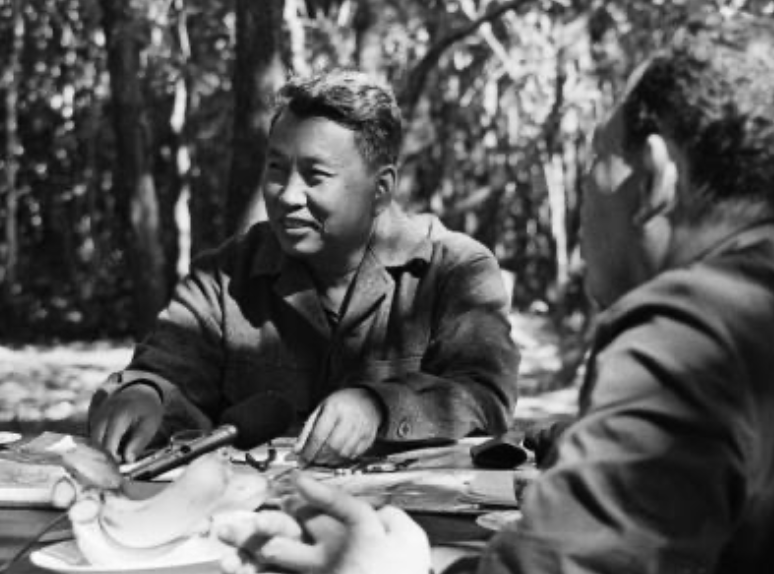
The leader of this revolution was named Pol Pot who believed that the country needed a societal "cleansing”.
This meant the destruction of the higher class, westernized concepts and objects, and a push for communal self-sufficient living towards a revolutionary utopia.
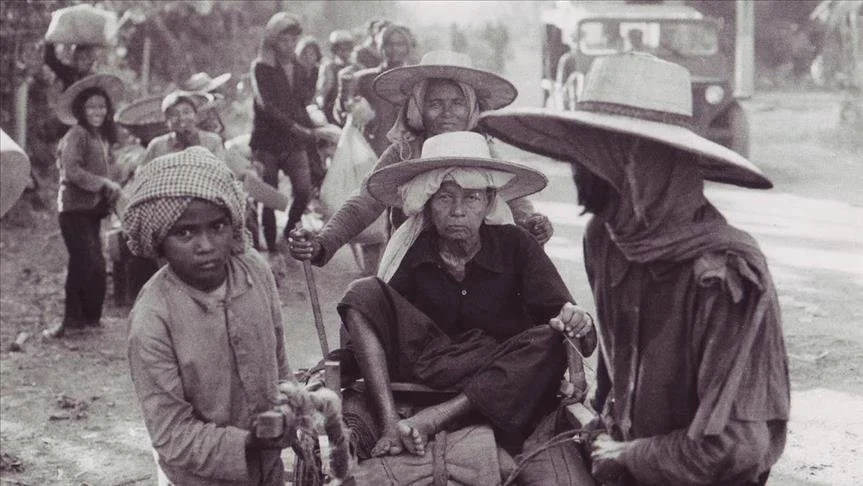
In 1975, also known as Year Zero, Khmer Rouge soldiers forced families and children out of cities, and into the countryside to be overworked in rice plantation labor camps with little food and water.
The purpose was to follow the 4-Year Plan, which forced the entire country to produce rice at an astronomical and impossible scale. People were overworked, starved to death, tortured, raped, or killed for no reason under the Khmer Rouge regime.
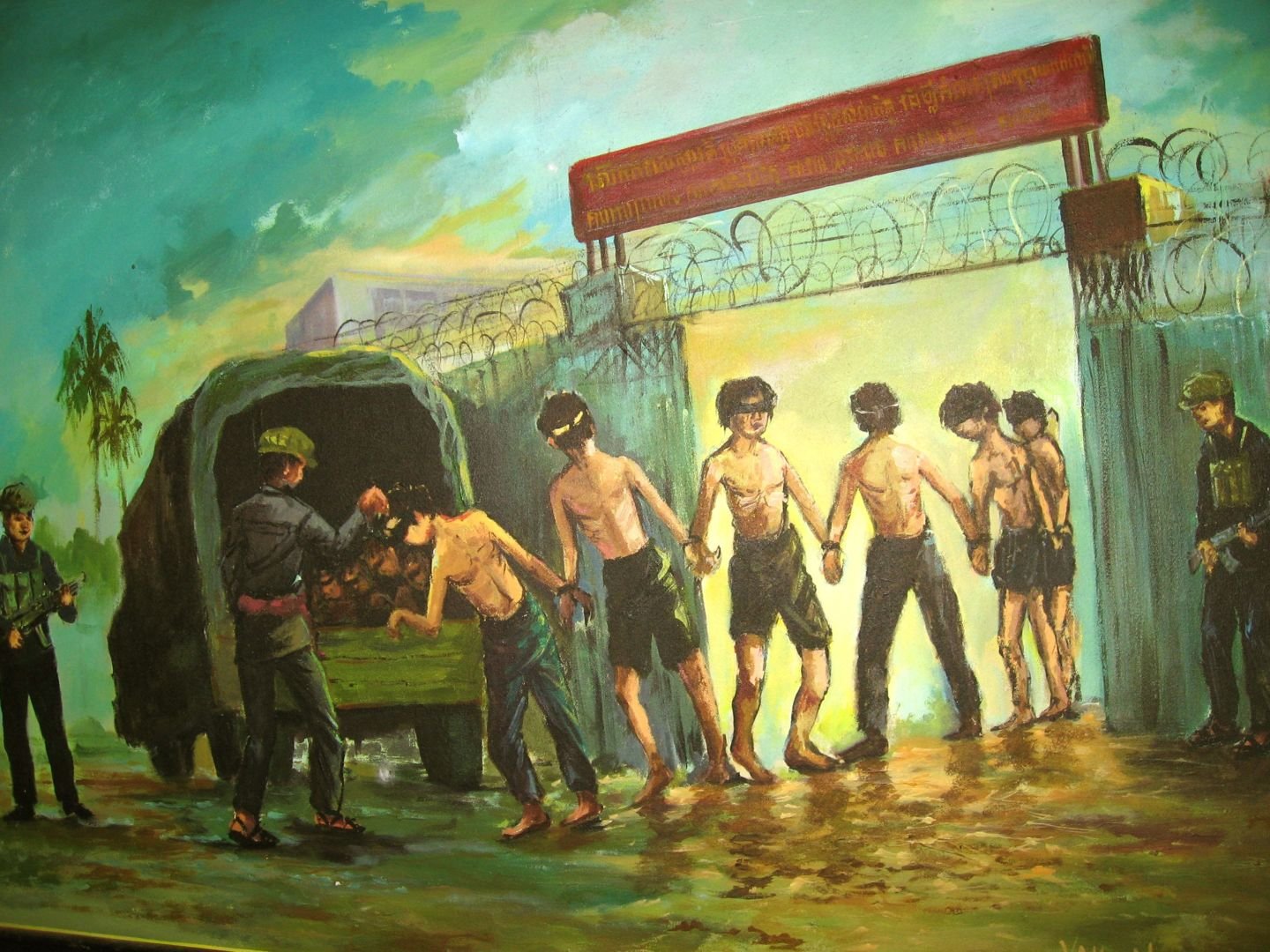
Many government buildings, schools, and temples were converted to torture sites, the most notorious being S-21 Tuol Sleng.
Fields of dead corpses were known as "The Killing Fields".
In 4 years, over 2 million Cambodians were systematically killed which was over 25% of the country's population.
It wasn't until 1979, that the Vietnamese invaded and the UN got involved that allowed the remaining survivors to escape the country, and find refuge in France, Australia, or the United States. Today, the majority of Cambodians residing in the United States are survivors of the 1970’s Khmer Rouge.
Khmer Rouge Timeline
-
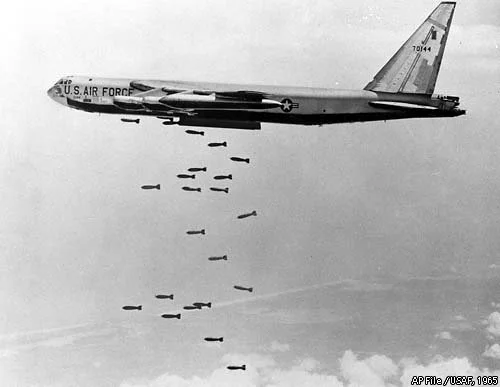
Richard Nixon gave the greenlight for secret bombings in allegedly communist camps while carrying out “Operation Menu.” By 1970, American soldiers were attacking communist regions in Cambodia with the South Vietnamese army.
The Khmer Rouge used these attacks to manipulate and recruit more people into their movement.
-
The Khmer Rouge seized control of Phnom Penh and the rest of Cambodia in a bid to destroy capitalism and create a communist society, displacing millions of families who had to relocate to rural regions.
The Khmer Rouge and its leader, Pol Pot mercilessly shelled Phnom Penh and killed innocent citizens. They called it “Year Zero” and claimed it was a new beginning, insisting that everything in the past must be eradicated.

-
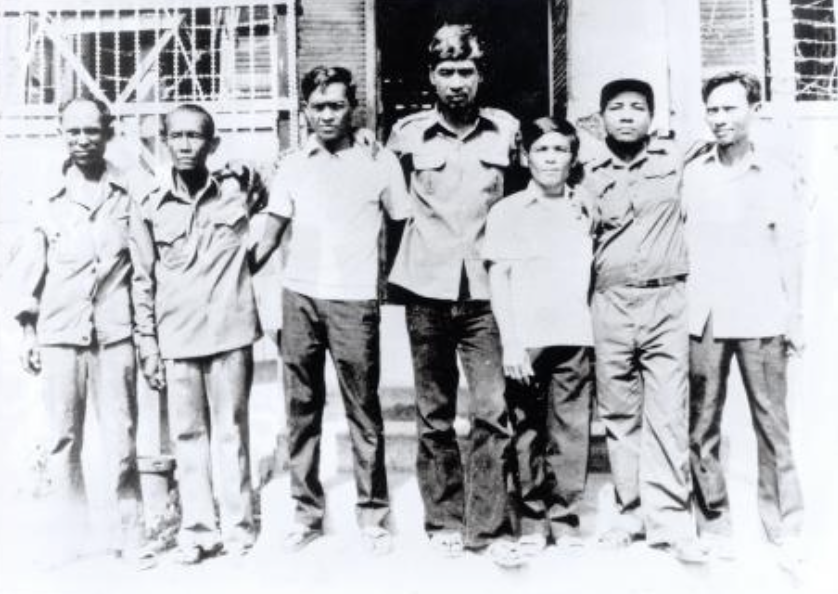
The Khmer Rouge continued wreaking havoc across Cambodia and carried out mass executions as Cambodians continued to struggle against the communist regime. They were denied access to basic resources like food, healthcare, and medicine.
Cambodians were forced to work in agricultural fields without pay. Minorities and other citizens were persecuted in large numbers and were left to starve.
-
Once a high school, S-21 Tuol Sleng was converted into a prison where countless Cambodians were interrogated, tortured, and killed.
While there were multiple execution facilities, S-21 Tuol Sleng was believed to be one of the most infamous prisons at that time. Thousands of prisoners were brutally killed and very few managed to get out of the prison alive.
-
Vietnam sent its army to attack Pol Pot and the Khmer Rouge. They managed to overthrow the brutal regime and helped regain control.
However, millions of innocent lives were lost by then and many families were destroyed by the widespread bloodshed and violence caused by the Cambodian genocide.
-
Although attempts were made to conduct trials, Pol Pot was never punished for his ghastly deeds. He died in 1998.
He never expressed remorse or regret for his actions and the Cambodian Genocide.

In 4 years, over 2 million Cambodians were systematically killed which was over 25% of the country's population.
It wasn't until 1979, that the Vietnamese invaded and the UN got involved that allowed the remaining survivors to escape the country, and find refuge in France, Australia, or the United States. Today, the majority of Cambodians residing in the United States are survivors of the 1970’s Khmer Rouge.
Subscribe & Listen